


MetaMetals Knowledge
Precious Metals Comparison
Gold, silver, platinum, palladium, rhodium, iridium, osmium and ruthenium in direct comparison — properties, prices, rarity and investment potential at a glance.
What Are Precious Metals?
Precious metals are a group of rare, naturally occurring metallic elements of high economic significance. They are characterized by their resistance to corrosion and oxidation, are largely chemically inert, and possess extraordinary physical properties such as high density, excellent electrical conductivity, and extreme melting points.
The classic precious metals include gold and silver, which have served as stores of value and jewelry materials for millennia. The six platinum group metals (PGMs) — platinum, palladium, rhodium, iridium, osmium, and ruthenium — are more recent discoveries, distinguished primarily by their industrial significance and extreme scarcity.
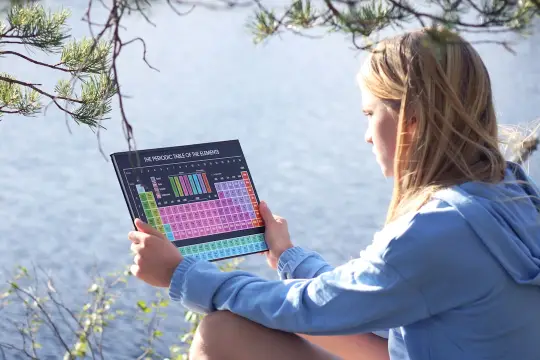
Precious Metals in Direct Comparison
The following table provides an overview of the key data for all eight precious metals. Price figures are indicative and may vary depending on market conditions.
| Metal | Symbol | Density | Melting Point |
Production/Year | Indicative Price | Investment Form |
|---|---|---|---|---|---|---|
| Au | 19.32 g/cm³ | 1,064 °C | ~3,300 t | ~126,91 €/g | Bars, coins, ETFs | |
| Ag | 10.49 g/cm³ | 962 °C | ~25,000 t | ~2,01 €/g | Bars, coins, ETFs | |
| Pt | 21.45 g/cm³ | 1,768 °C | ~190 t | ~52,93 €/g | Bars, coins | |
| Pd | 12.02 g/cm³ | 1,555 °C | ~210 t | ~37,33 €/g | Bars | |
| Rh | 12.41 g/cm³ | 1,964 °C | ~32 t | ~243,71 €/g | Bars | |
| Ir | 22.56 g/cm³ | 2,466 °C | ~7 t | ~217,90 €/g | Bars | |
| Os | 22.59 g/cm³ | 3,033 °C | ~1 t | ~55,62 $/g (bars) / ~923,20 $/g (crystals) | Bars, crystals | |
| Ru | 12.37 g/cm³ | 2,334 °C | ~35 t | ~46,27 €/g | Bars |
* Indicative prices as of 9. June 2026, rounded.
Physical Properties Compared
The precious metals differ considerably in their physical properties. While gold and silver are relatively soft and malleable, the platinum group metals are among the hardest and densest materials on earth.
Highest Density
Osmium (22.59 g/cm³) and Iridium (22.56 g/cm³) are the densest naturally occurring elements. For comparison: Gold has a density of 19.32 g/cm³.
Highest Melting Point
Osmium melts at 3,033 °C, followed by Iridium at 2,466 °C. Gold and silver are far lower at 1,064 °C and 962 °C respectively.
Best Conductivity
Silver has the highest electrical and thermal conductivity of all metals. Gold ranks third after copper and is preferred in electronics due to its corrosion resistance.
Greatest Hardness
Iridium and Osmium are the hardest precious metals. Iridium is also extremely corrosion-resistant — even aqua regia cannot dissolve it.
Industrial Uses
Each precious metal has preferred applications in industry due to its specific properties. Industrial demand significantly influences the price development and availability of individual metals.
Electronics (contacts, circuit boards), jewelry, dentistry, aerospace. Around 50% of annual demand goes to jewelry, ~25% to investment.
Photovoltaics (solar cells), electronics, photography, medicine (antibacterial properties), water purification. Industrial demand accounts for over 50% of total consumption.
Exhaust catalytic converters (diesel), jewelry, laboratory equipment, fuel cells, cancer therapy (cisplatin). The automotive industry is the largest buyer.
Exhaust catalytic converters (gasoline), electronics, dentistry, hydrogen storage. Over 80% of demand comes from the automotive industry.
Three-way catalytic converters, glass manufacturing, chemical catalysis. Rhodium is the most important catalyst for reducing nitrogen oxides in exhaust gases.
Hydrogen electrolysis (PEM electrolyzers), spark plugs, crucibles for crystal growth, medical implants. The hydrogen economy is driving demand strongly.
Research, specialty alloys, jewelry (in crystallized form). Industrially the least used, but increasingly sought after as an investment and jewelry metal.
Electronics (thick-film resistors), data storage (hard drives), chemical catalysis, next-generation solar cells.
Price Development & Value Trends
Precious metal prices develop differently and are influenced by various factors: industrial demand, geopolitical risks, central bank monetary policy, and available production volumes.
Gold is considered the classic safe haven and reached new all-time highs in 2026. Silver is more volatile but offers higher catch-up potential. The platinum group metals are strongly dependent on the industrial cycle — rhodium reached a historic high of over €900/g in 2021 before the price corrected significantly.
High-Price Segment
Rhodium (~243,71 €/g),
Iridium (~217,90 €/g)
Mid Segment
Gold (~126,91 €/g),
Platinum (~52,93 €/g),
Osmium (~55,62 $/g bars),
Ruthenium (~46,27 €/g)
Entry Segment
Palladium (~37,33 €/g),
Silver (~2,01 €/g)
Rarity & Mining
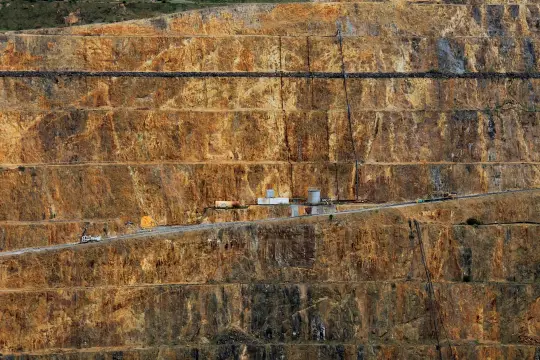
The annual production volumes of precious metals differ dramatically. While gold and silver are mined in comparatively large quantities, the platinum group metals are extremely rare. Most PGMs are extracted as byproducts of platinum and nickel production.
The most important producing countries for platinum group metals are South Africa (around 70% of global PGM production), Russia, and Zimbabwe. Gold is mined in over 50 countries worldwide, silver mainly in Mexico, Peru, China, and Australia.
Precious Metals as Investment
Precious metals offer investors unique advantages: they are physically tangible, cannot be arbitrarily multiplied, and carry no counterparty risk. Unlike stocks or bonds, a precious metal bar cannot become worthless.
Gold & Silver
The classic investment metals with highest liquidity. Gold as crisis protection, silver with industrial catch-up potential. Available as bars, coins, and ETFs.
Platinum & Palladium
Investment metals with strong industrial ties. Platinum is considered undervalued vs. gold, palladium benefits from the automotive sector.
Iridium & Rhodium
Niche metals for experienced investors. Extremely rare, high price volatility, but with a strong industrial demand base (hydrogen, catalysts).
Osmium & Ruthenium
Both are rather exotic investment metals. Osmium and Ruthenium offer an affordable entry into the platinum group.
How Are Precious Metal Bars Produced?
Traditional precious metals like gold, silver, and platinum are typically cast into bar form from a melt. For refractory metals — osmium, iridium, and rhodium — extreme melting points make conventional casting impossible. Instead, they are produced through powder metallurgy: sintering.
Casting
The molten metal is poured into a mold and allowed to solidify. The simplest and most widely used method for standard precious metal bars.
Sintering
Metal powder is compacted under extreme pressure and heat — below the melting point. The only viable method for PGMs with extremely high melting points.
Cold Forming
Metal is shaped at room temperature through rolling, pressing, or forging. Only possible for ductile metals with sufficient plasticity.
| Method | Metals | Surface | Constraint |
|---|---|---|---|
| Sintering | Osmium, Iridium, Ruthenium, Rhodium | Matte, dense | Extreme hardness; melting point too high for casting |
| Cold Forming | Gold, Silver, Platinum | Smooth, mirror-finish | Metal must be ductile |

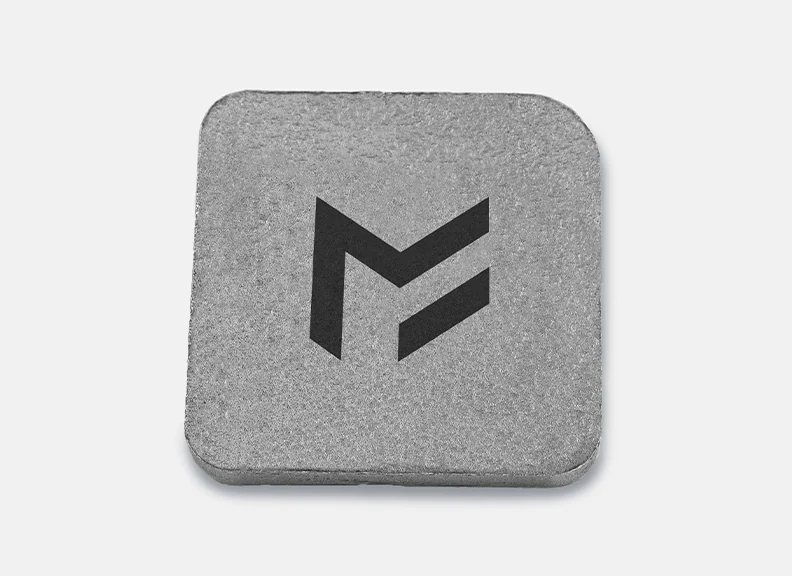
Precious Metal Crystallization — Which Metals Can Be Crystallized?
Not all precious metals can be crystallized. The crystallization process depends on the specific chemical and physical properties of each metal.
| Metal | Status | Notes |
|---|---|---|
| Osmium | ✅ Possible | CVT crystallization. Unique surface structure. Available for purchase. |
| Gold | ✅ Possible | Brittle. |
| Silver | ✅ Possible | Brittle. |
| Platinum | ✅ Possible | On request. |
| Palladium | ✅ Possible | Few results. |
| Rhodium | 🔬 In Research | |
| Iridium | 🔬 In Research | |
| Ruthenium | 🔬 In Research |
MetaMetals' crystallization is led by Dr. Alexander Wimmer in Austria. The osmium CVT process takes several weeks per batch.
Which Precious Metal Is Right for Me?
The choice of the right precious metal depends on your individual investment goals, your budget, and your risk appetite. Here is an overview:
Maximum liquidity, worldwide acceptance, proven inflation hedge. Ideal for the core of a precious metals portfolio.
Higher catch-up potential with moderate risk. Silver benefits from the energy transition, platinum from the hydrogen economy.
Low correlation to traditional investments, strongly rising industrial demand. For experienced investors with a long investment horizon.
One of the scarcest precious metals on Earth and the only one with a bluish shine. Also wearable as jewelry in crystallized form. For collectors and lovers of the extraordinary.
Affordable entry into the world of platinum group metals at just a few euros per gram. Interesting industrial growth potential.
Find answers to the most frequent questions here.
Disclaimer: The contents of this page are for informational purposes only and do not constitute investment advice, a recommendation, or a solicitation to buy, sell, or hold any asset. MetaMetals is a precious metals dealer, not a financial advisor. Precious metal prices can fluctuate — past performance is not a reliable indicator of future results.
Buy Precious Metals from MetaMetals
- Certified bars from 1 gram
- All platinum group metals available
- Certificate with serial number
- Secure payment: card, PayPal & more
- Insured shipping from Austria
- Austrian precious metals dealer
- EU consumer protection laws apply
- Personal support via email, phone & chat